Design is often seen only in its final form—the logo, the artwork, the packaging, or the graphic that reaches the audience. What remains unseen is the thinking, exploration, and refinement that shape the outcome.
A thoughtful design process ensures that the final result is not only visually appealing but also meaningful and effective. Here is a look behind the scenes at how I approach a design project, from the first idea to the final delivery.
Receiving the Design Brief

The process begins with the design brief.
This provides the initial direction and outlines the scope of the project. It may include the purpose of the design, its application, timelines, and expectations.
At this stage, I focus on listening carefully and gathering as much clarity as possible. The brief serves as the foundation, but it is often the starting point for deeper exploration rather than the final definition.
Understanding the requirement correctly at the beginning ensures that the design moves in the right direction.
Knowing the Brand
A meaningful design must reflect the brand it represents.
This involves understanding:
- The brand’s values
- Its personality
- Its positioning
- Its audience
Every brand has its own voice. The design should express that voice visually.
This stage helps ensure that the outcome feels authentic and aligned, rather than generic.
Meeting the People Behind the Brand
Design becomes more insightful when there is an opportunity to interact with the people behind the brand.
Conversations help reveal perspectives that may not be present in the written brief.
Understanding their vision, intentions, and expectations brings clarity and depth to the process.
It also helps build mutual trust and alignment before moving forward.
Researching the Competitive Landscape
Research helps place the design within its real-world context.
This includes studying competitors and the broader industry to understand:
- Existing visual patterns
- Common approaches
- Opportunities for differentiation
The goal is not to follow trends blindly, but to ensure that the design stands apart while remaining relevant.
This stage helps avoid similarity and encourages originality.
Identifying the Core Problem
Design is fundamentally about solving a problem.
Before beginning visual exploration, it is important to identify:
- What is not working currently
- What needs improvement
- What the design needs to achieve
This clarity allows the design to be guided by purpose rather than assumption.
When the problem is well defined, the solution becomes stronger.
Ideation and Concept Development
This is the stage where ideas begin to take form.
It involves:
- Sketching
- Exploring layouts
- Experimenting with typography
- Testing different visual directions
This phase allows creative exploration without limitation.
Multiple ideas are developed and evaluated before selecting the strongest direction.
Iteration is an essential part of arriving at a meaningful outcome.
Review and Approvals
Once the concept is developed, it is shared for review.
This stage allows for feedback, discussion, and refinement.
Approvals ensure that the design aligns with expectations and objectives before moving into final execution.
This collaborative step helps strengthen the final outcome.
Execution and Final Outcome
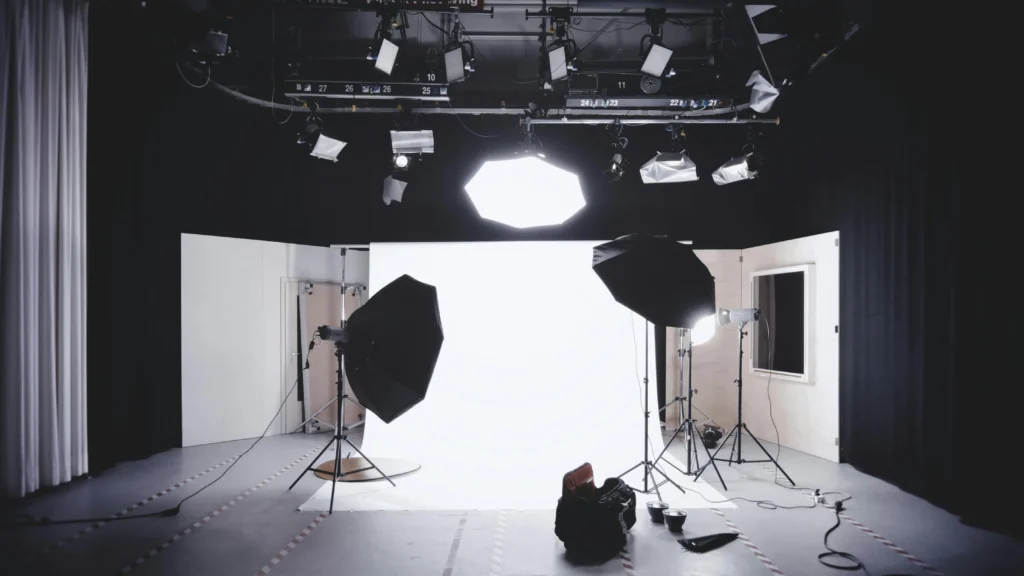
After approvals, the design moves into final execution.
This involves refining details, ensuring accuracy, and preparing the design for its intended application.
Attention is given to every element, ensuring clarity, balance, and consistency.
The final outcome is the result of a thoughtful and structured journey.
Why This Process Matters
A strong design is not created by chance.
It is shaped by understanding, exploration, and careful decision-making.
Following a structured process ensures that the final design:
- Represents the brand authentically
- Communicates clearly
- Connects with its audience
- Serves its intended purpose effectively
What people see is the final form.
What gives it value is the thinking behind it.
The Value Beyond the Visual
What people see is the final design.
What they experience is the result of the thinking behind it.
When design is guided by purpose and developed with care, it becomes more than visual form.
It becomes a bridge between the brand and its audience.